
940-255-0000


What Are the Sentences for the Most Common Juvenile Crimes in Texas?
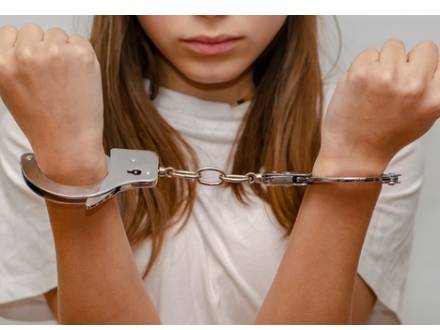 So you just got the call no parent ever wants –your child has been arrested. What happens next? Will this follow them forever? Is there anything you can do?
If your family is going through this in 2026, the most important thing you can do right now is talk to a Decatur criminal defense lawyer who handles juvenile criminal cases. Call Godwin Law Firm, PLLC at 940-255-0000 for a free consultation. You do not have to figure this out alone.
How Does the Texas Juvenile Justice System Work?
The first thing to understand is that the juvenile system in Texas is not the same as the adult criminal system. It is designed to focus on rehabilitation rather than punishment, especially for younger kids. That does not mean the consequences are not serious. They can be. But it does mean that with the right legal help, there are often better options for your child that don’t involve jail time or a permanent record.
Who is a Juvenile in Texas’ Criminal System?
In Texas, a "juvenile" is generally a person who is at least 10 years old but under 17 at the time of the offense. The Texas Family Code Chapter 54 governs how juvenile cases are handled in court, what options a judge can order, and what rights your child has throughout the process.
What Happens After a Juvenile is Arrested for a Crime in Texas?
When a juvenile is arrested, they are typically taken to a juvenile detention facility rather than an adult jail. A detention hearing must be held quickly to decide whether your child stays in custody or goes home with you while the case is resolved. This first hearing is critical, and having a criminal defense attorney present can make a real difference in whether your child comes home that night.
What Are the Sentences for the Most Common Juvenile Crimes in Texas?
The outcome in a juvenile case depends on the offense, your child's age and their prior history. Here is a look at how Texas typically handles the most common juvenile crimes.
Theft and Shoplifting
Theft is one of the most common reasons juveniles end up in the Texas system. For minor theft cases involving small amounts, a juvenile may be eligible for a deferred prosecution, which is essentially a period of good behavior. If the child meets all the conditions, the case is dismissed. More serious theft charges can result in probation, community service, restitution to the victim, or placement outside the home.
Drug Possession
Drug charges are taken seriously in Texas at any age. A juvenile caught with a small amount of marijuana may face probation and mandatory drug education classes. Possession of harder substances or larger quantities can lead to placement in a Texas Juvenile Justice Department facility, which is a secured residential program for more serious juvenile offenders.
Assault
Assault charges among juveniles often come out of school fights or fights with other young people. Simple assault may result in community service and probation. Aggravated assault involving a weapon or serious injury is treated much more harshly and can even result in a juvenile being tried as an adult depending on the circumstances and the child's age.
Vandalism and Criminal Mischief
Spray painting property, breaking windows or damaging vehicles falls under criminal mischief in Texas. These cases often result in probation, restitution and community service. The value of the damage affects how seriously the charge is treated.
Truancy and Curfew Violations
These are lower-level offenses handled through the juvenile system. They typically result in fines, counseling or community service. While they may seem minor, repeated violations can put a child on the radar of the court system and complicate future cases.
Can a Juvenile Record Follow Your Child for Life?
In Texas, many juvenile records can be sealed once the child reaches adulthood and meets certain conditions. A sealed record is not visible to employers, landlords or the general public. However, records involving more serious felony-level conduct are harder to seal and in some cases cannot be sealed at all. If your child was tried as an adult, their record is treated like any other adult criminal record.
Call a Decatur Juvenile Criminal Defense Attorney Today
Your child may have made a mistake, but that shouldn’t define the rest of their life. The Texas juvenile justice system may have options that can keep your child out of a facility, protect their record and get your family back on track.
Godwin Law Firm, PLLC offers free consultations and is ready to hear what happened and start helping right away. Call Godwin Law Firm, PLLC at 940-255-0000 to speak with a Hays County criminal defense lawyer who will fight for your child's future.





Decatur Office
1451 W Business 380, Suite I
Decatur, Texas 76234
P 940-255-0000
[+] View Map

