
940-255-0000


Recent Blog Posts
Is It Sexual Assault if I Thought I Had Consent?
 Whether having sex with someone else is sexual assault if you thought you had consent depends on the specific facts of the case and the type of sexual assault allegation involved. Texas law looks at whether consent existed and whether one of the circumstances that makes an act nonconsensual under state law applies. In some cases, a reasonable mistake of fact may also become relevant to the defense.
If you're facing a charge in 2026, our San Marcos, TX sexual assault defense lawyer can help you understand your options.
What Does Texas Law Say About Consent in Sexual Assault Cases?
Under Texas Penal Code Section 22.011, sexual assault occurs when someone engages in specific sexual acts without the other person's consent. The law defines several situations where consent is considered absent. This includes when someone communicates nonconsent through words or conduct. It also includes situations involving force, violence, coercion, threats, unconsciousness, or certain forms of incapacity.
What Kind of Evidence Do I Need to Fight an Assault Charge?
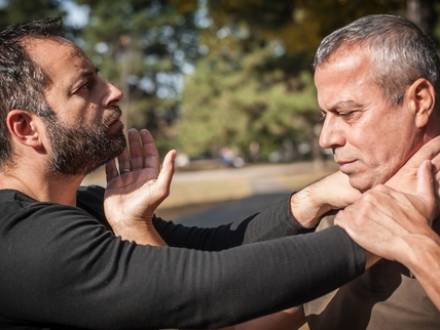 To fight an assault charge, you generally need evidence like witness statements, video footage, medical records, and any communications that support your version of events. This evidence can directly challenge the prosecution's account of what happened. At Godwin Law Firm, PLLC, we have experience fighting these allegations and know what it takes to build a strong defense in 2026. Contact our Hays County, TX criminal defense lawyer today to discuss the details of your case and get a personalized assessment.
What Does the State Have to Prove in a Texas Assault Case?
Under Texas Penal Code Section 22.01, assault generally requires the state to prove certain things. The state must show that you intentionally, knowingly, or recklessly caused bodily injury to another person. It can also apply if you threatened someone with imminent bodily injury. Understanding exactly what the state must prove helps you and your attorney focus on gathering evidence that challenges these specific elements.
Can You Face Additional Charges for Displaying a Gun During an Alleged Crime?
 Displaying a firearm during an alleged crime in Texas can result in additional charges on top of the original offense. What might start as one charge can quickly become two or more, with much higher penalties attached. You may not realize how much the presence of a firearm can change a case until you’re already facing something far more serious than you expected. If you are facing charges that involve a firearm in 2026, our Wise County, TX criminal defense lawyer can help you understand what you are up against and fight to protect your rights.
How Does Displaying a Gun Change a Criminal Charge in Texas?
In Texas, having a firearm present during the commission of a crime can change the charges in several significant ways. It can turn a misdemeanor into a felony. It can raise a lower-level felony to a higher one. And it can trigger mandatory minimum sentences that take away a judge's ability to show leniency even when the circumstances might otherwise allow for it.
How Does a Family Violence Charge Impact Child Custody Cases?
 A family violence charge can affect a child custody case in Texas. Even an accusation that has not led to a conviction can change how a judge assesses your case. If you are facing a family violence charge and also dealing with a custody situation in 2026, the need to build a strong defense is critical. A San Marcos, TX criminal defense lawyer can help you fight the criminal charge and protect your relationship with your children.
How Do Texas Courts View Family Violence Charges in Custody Cases?
Texas family courts make custody decisions based on what is best for the child. When a parent has a family violence charge or conviction on their record, a judge will factor that in when deciding who gets custody and how much time each parent spends with the children.
Under Texas Family Code Section 153.004, courts must consider evidence of domestic or family violence when making custody decisions. If a parent has a history of family violence, the court may decide that giving that parent primary custody is not in the child's best interests. The judge may also limit or supervise that parent's time with the child. Even a single incident of family violence can affect how a judge views a custody case.
Are DWIs Worse for People With a CDL in Texas?
 A DWI presents more challenges for someone with a commercial driver's license in Texas. CDL holders are held to a stricter standard than regular drivers, and the consequences of a DWI go far beyond what most people expect. Losing your CDL, even temporarily, can mean losing your livelihood. If you drive for a living and are facing a DWI charge in 2026, the stakes could not be higher, and you deserve someone who will fight hard to protect your career and your future. A Hays County DWI defense lawyer can help you understand what you are up against and what can be done.
What Is the Legal Limit for CDL Holders in Texas?
Regular drivers in Texas are considered legally impaired at a blood alcohol content of 0.08 percent. CDL holders are held to a lower threshold. Under Texas Transportation Code § 522.081, a CDL holder can be disqualified from operating a commercial vehicle if their blood alcohol content is 0.04 percent or higher. That is half the standard legal limit. This lower threshold applies specifically when you are driving a commercial vehicle.
Can You Fight a TX Protective Order for a Family Violence Charge?
 You can fight a protective order from a family violence allegation. A protective order is not a conviction, and served with one does not mean the outcome is already decided. You have the right to appear at a hearing, present your side of the story, and challenge the evidence against you. If you are in this situation in 2026, a Wise County, TX family violence defense lawyer can help you understand your options and stand up for your rights.
What Is a Protective Order and How Does It Work in Texas?
A protective order is a legal document issued by a court that restricts contact between two people. In Texas, a court can issue a temporary ex parte order, which means the order can be granted without your presence, based solely on the other person's statement. This temporary order stays in place until a full hearing is scheduled, usually within 14 days.
Is It Still Assault in Texas if I was Protecting Myself?
 Protecting yourself during a confrontation is instinct. If it leads to an assault charge, you have the right to challenge it in court. This is more common than many people realize, and it doesn't mean the law isn't on your side. If you're in this situation in 2026, a San Marcos, TX assault defense lawyer can help you build a case around what actually happened that day.
Under Texas Penal Code § 9.31, a person is justified in using force against another person when they reasonably believe that force is immediately necessary to protect themselves against the other person's use or attempted use of unlawful force. In short, self-defense is a recognized legal justification in Texas, not just an excuse.
What Are the Sentences for the Most Common Juvenile Crimes in Texas?
 So you just got the call no parent ever wants –your child has been arrested. What happens next? Will this follow them forever? Is there anything you can do?
If your family is going through this in 2026, the most important thing you can do right now is talk to a Decatur criminal defense lawyer who handles juvenile criminal cases. Call Godwin Law Firm, PLLC at 940-255-0000 for a free consultation. You do not have to figure this out alone.
How Does the Texas Juvenile Justice System Work?
The first thing to understand is that the juvenile system in Texas is not the same as the adult criminal system. It is designed to focus on rehabilitation rather than punishment, especially for younger kids. That does not mean the consequences are not serious. They can be. But it does mean that with the right legal help, there are often better options for your child that don’t involve jail time or a permanent record.
Who Do the Police Arrest if You're Both Fighting at Home?
 When police respond to a domestic dispute in Texas, they face a difficult decision. If both people claim the other person started the fight, or if both people have visible injuries, who gets arrested? Many couples are shocked when police arrest one or both spouses after a heated argument that turned physical.
Understanding how Texas police handle domestic violence calls in 2026 can help you know what to expect. If you or your spouse was arrested after a fight at home, our Wise County criminal defense attorney offers free consultations. Call us right away to discuss your case.
How Do Police Decide Who to Arrest in a Domestic Fight?
Texas law gives police specific guidance about arrests in domestic violence situations. Under Texas Code of Criminal Procedure Article 14.03, police officers can arrest someone without a warrant if they have probable cause to believe that person committed assault against a family member, even if the officer did not witness the assault.
False Allegations in Texas Family Violence or Child Abuse Cases
 Being falsely accused of family violence can turn your whole life upside down in an instant. If you live in Texas and have been accused of this serious crime, you must understand how these accusations are investigated. What you do now can make the difference between protecting your rights and facing devastating consequences that follow you for years.
Texas Advocacy Project cites the statistic that one in three Texans will experience domestic violence in their lifetime. As serious as this problem is, false accusations of domestic violence are just as serious. They can threaten your ability to stay in your home and see your kids.
If someone falsely accuses you of family violence or child abuse in 2026, the most important step is to stay calm. Don’t contact or try to argue with your accuser. Call a San Marcos criminal defense attorney before talking to the police.





Decatur Office
1451 W Business 380, Suite I
Decatur, Texas 76234
P 940-255-0000
[+] View Map

